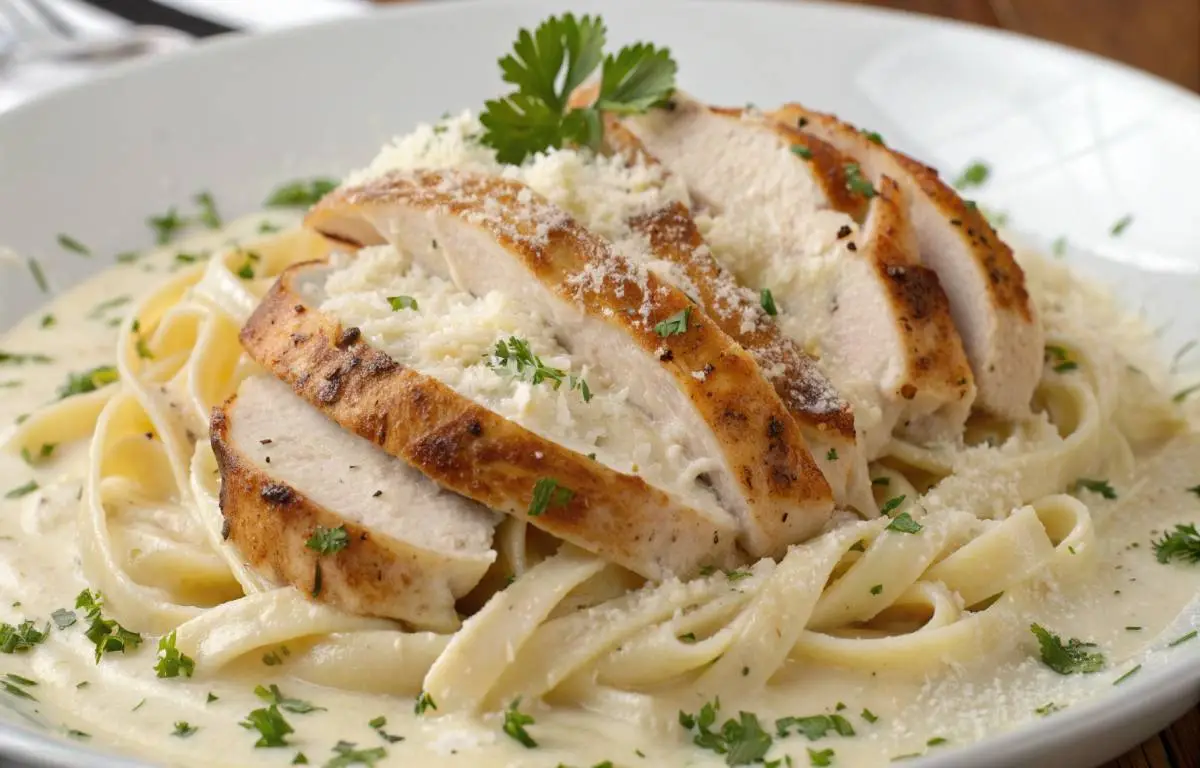
Homemade vs. Jar Sauce: Crafting Your Easy Chicken Alfredo Dinner
Few dishes offer the kind of universal comfort and creamy indulgence that a classic Chicken Alfredo does. With its rich sauce, tender chicken, and perfectly coated pasta, it’s a go-to for family dinners, romantic evenings, and even impressive casual entertaining. But when it comes to whipping up this beloved dish, a common question arises: should you meticulously craft the Alfredo sauce from scratch, or reach for the convenient jarred option? Both paths promise an
easy chicken alfredo recipe, but they offer distinct experiences in terms of flavor, effort, and customization. Let's delve into the delicious details to help you choose your perfect dinner journey.
The Allure of Authentic Alfredo: A Journey Through Creamy Perfection
There’s something undeniably special about a homemade Alfredo sauce. It’s a culinary testament to simple, high-quality ingredients transforming into something extraordinary.
The Rich History of Alfredo Sauce
While iterations of buttered noodles have existed for centuries, the Alfredo sauce we know and love has a more specific, albeit charming, origin story. In the early 1900s, Alfredo Di Lelio, a Roman restaurateur, created his namesake dish – a simple yet exquisite combination of butter and Parmesan cheese tossed with hot pasta – to entice his wife to eat after childbirth. It gained international fame after American silent film stars Mary Pickford and Douglas Fairbanks tasted it in Rome in the 1920s. Upon their return to Hollywood, they requested the dish from their favorite chefs, sparking its popularity across the States.
Over time, the American palate adapted Di Lelio's original, minimalist creation. While the classic Italian version remains just butter and Parmesan, the Americanized Alfredo sauce evolved to include heavy cream and often egg yolks, yielding the ultra-creamy, almost velvet-like texture many of us associate with the dish today. This American version is sometimes confused with Carbonara, another creamy pasta sauce. However, true Carbonara typically uses eggs, cured pork (pancetta or guanciale), and Pecorino Romano, with little to no heavy cream, relying on the emulsification of egg, cheese, and pasta water for its richness. Alfredo, especially our modern interpretation, revels in the luxuriousness of butter, cream, and Parmesan, traditionally paired with broad fettuccine noodles to capture every drop of that luscious sauce.
Key Ingredients for a Luscious Homemade Sauce
Crafting the perfect homemade Alfredo sauce means paying attention to your ingredients. For an incredible
easy chicken alfredo recipe, here’s what you’ll need:
* **Chicken Breasts:** Boneless, skinless chicken breasts are ideal. They cook quickly and can be easily sliced. For an even quicker meal, consider using precooked rotisserie chicken.
* **Fettuccine:** While any pasta will taste good, the long, flat strands of fettuccine are traditional for Alfredo. Their surface area allows them to hold onto the rich sauce beautifully.
* **Butter:** This is non-negotiable. Opt for high-quality, full-fat unsalted butter. Margarine simply won't achieve the same depth of flavor or consistency. Unsalted allows you to control the seasoning.
* **Heavy Whipping Cream:** Essential for that signature creamy, decadent texture. Do *not* substitute with milk; the fat content in heavy cream is crucial for the sauce's body and richness.
* **Parmesan Cheese:** Freshly grated Parmesan Reggiano is paramount. Pre-grated cheeses often contain anti-caking agents that can make your sauce gritty or oily. Freshly grated Parmesan melts smoothly and imparts a superior, nutty flavor.
* **Egg Yolks (Optional but Recommended):** For an *extra-luscious* texture, whisking in a couple of egg yolks off the heat can elevate your sauce to restaurant-quality smoothness and richness.
* **Seasonings:** Simple salt and freshly cracked black pepper are often all you need to highlight the natural flavors.
* **Olive Oil:** A good quality olive oil for searing the chicken.
The beauty of homemade lies in the control you have over the flavor profile and the sheer satisfaction of creating something truly delicious from scratch.
The Convenience Factor: Embracing Jarred Alfredo for Busy Nights
Let's be real: not every night allows for an extensive cooking session, no matter how rewarding. This is where jarred Alfredo sauce steps in as a kitchen hero, offering a fantastic shortcut to an `easy chicken alfredo recipe` without sacrificing too much on flavor.
When Speed is Paramount
Life gets hectic. Between work, school, and other commitments, finding time to cook a wholesome meal can be a challenge. Jarred Alfredo sauce is designed precisely for these moments. It provides a reliable base that drastically cuts down on prep and cooking time, making a hearty, satisfying dinner achievable even on the busiest weeknights. You can still deliver a delicious meal to your family that feels special, even if you didn’t spend an hour whisking sauce.
Core Components of a Jarred-Sauce Alfredo
Creating a chicken Alfredo with jarred sauce is incredibly straightforward:
* **Jarred Alfredo-Style Pasta Sauce:** The star of this quick show.
* **Cooked Chicken:** Again, boneless, skinless chicken breasts, cooked and cubed, or even easier, a store-bought rotisserie chicken shredded or cubed.
* **Pasta:** Fettuccine or linguine are excellent choices.
* **Optional Add-ins:** The reference context suggests frozen mixed vegetables and canned sliced mushrooms, plus a touch of milk to thin the sauce if needed. These additions stretch the meal and add nutritional value with minimal effort.
While the convenience is undeniable, there are also smart ways to elevate a jarred sauce beyond simply heating and serving. Sautéing some fresh garlic or shallots in olive oil before adding the jarred sauce can infuse it with aromatic depth. A splash of white wine, a pinch of red pepper flakes, or a handful of fresh herbs like parsley or basil can transform a basic jarred sauce into something much more vibrant and flavorful. And, of course, a final dusting of freshly grated Parmesan cheese and a crack of black pepper always make a difference.
Crafting Your Easy Chicken Alfredo Dinner: Step-by-Step Approaches
Whether you opt for the homemade or the jarred route, the steps to assembling your delicious chicken Alfredo are simple and satisfying.
The Homemade Masterpiece: A Deeper Dive
This approach ensures a rich, flavorful, and customizable meal.
1. **Prepare the Chicken:** Season boneless, skinless chicken breasts generously with salt and pepper. Sear them in a little olive oil until golden brown and cooked through. Remove from the pan, let rest, then slice or cube. This can often be done in under 10 minutes, making for an
easy chicken alfredo recipe that's surprisingly quick.
2. **Cook the Pasta:** Bring a large pot of lightly salted water to a rolling boil. Add your fettuccine and cook according to package directions until *al dente* (tender but firm to the bite). Reserve about a cup of pasta water before draining.
3. **Craft the Sauce:** In the same pan (or a clean one) over medium-low heat, melt your unsalted butter. Stir in heavy cream and bring to a gentle simmer. Remove from heat and, while whisking constantly, gradually add your freshly grated Parmesan cheese. If using, whisk in a couple of egg yolks one at a time until thoroughly combined and the sauce is silky smooth. The residual heat will cook the yolks without scrambling them.
4. **Combine and Serve:** Add the drained fettuccine directly to the sauce. Toss gently to coat every strand. If the sauce is too thick, add a tablespoon or two of the reserved pasta water until it reaches your desired consistency. Fold in the sliced chicken. Serve immediately, garnished with extra Parmesan and fresh parsley. Pair with a crisp green salad and some warm garlic bread for a complete meal.
The Speedy Solution: Jarred Sauce in Action
This method focuses on efficiency without compromising on taste.
1. **Cook the Pasta:** Just like the homemade version, boil your fettuccine or linguine in lightly salted water until al dente. Drain well.
2. **Warm the Sauce:** While the pasta cooks, pour your jar of Alfredo-style pasta sauce into a saucepan over medium-low heat. If you wish to thin it slightly or make it creamier, add ⅓ cup of milk (as suggested in the reference) or even a splash of cream.
3. **Add Your Protein and Veggies:** Stir in your cooked and cubed chicken breasts (or shredded rotisserie chicken). This is also the time to add any optional frozen mixed vegetables or canned sliced mushrooms, allowing them to heat through. For extra flavor, you can cook the chicken beforehand with a dash of lemon pepper or seasoning salt.
4. **Assemble and Enjoy:** Once the sauce is heated through and the chicken/vegetables are warm, add the drained pasta to the saucepan and toss to combine. Ensure everything is evenly coated. Serve hot, with a final sprinkle of Parmesan if desired.
Homemade vs. Jar Sauce: Choosing Your Perfect Path
The choice between homemade and jarred Alfredo sauce ultimately comes down to your priorities for a given meal.
Flavor and Texture: The Ultimate Showdown
A homemade Alfredo sauce, especially one that incorporates egg yolks and fresh Parmesan, offers an unparalleled depth of flavor and a silken, luxurious texture that is difficult for jarred varieties to replicate. You control the quality of every ingredient, leading to a fresher, more nuanced taste profile. Jarred sauces, while convenient, can sometimes taste flatter or have a slightly artificial undertone compared to the vibrant freshness of a scratch-made version. They are often thicker and can sometimes feel less elegant.
Time and Effort: The Practicalities
This is where jarred sauce shines. An `easy chicken alfredo recipe` made with jarred sauce can be on the table in under 20-30 minutes, including cooking the pasta. The homemade version, while not inherently difficult, requires more active cooking time for the sauce itself, grating cheese, and more cleanup. If time is your most precious commodity, the jarred option is a clear winner.
Cost Considerations
Initially, buying quality ingredients for homemade Alfredo (heavy cream, good butter, fresh Parmesan) might seem more expensive upfront. However, these ingredients often yield more sauce or can be used in other dishes. Jarred sauce is typically a lower-cost per-serving option, making it budget-friendly for quick meals.
Control and Customization
With homemade, you have absolute control over the fat content, salt levels, and specific flavors. You can add more garlic, a pinch of nutmeg, or adjust the consistency exactly to your liking. Dietary restrictions are also easier to accommodate. Jarred sauces offer less flexibility; while you can add extra ingredients to enhance them, you're starting with a fixed flavor base.
Ultimately, both methods deliver a satisfying `easy chicken alfredo recipe`. The "best" choice depends on your schedule, your culinary ambition, and your desired flavor experience for that particular meal. There's no shame in reaching for a jar when time is short, especially if you take a few moments to enhance it. But for those times you crave an authentic, deeply flavorful, and incredibly rewarding experience, nothing beats the homemade touch. Whichever path you choose, enjoy the creamy, cheesy comfort that is Chicken Alfredo!